Carpenter ants or termites: which signs fit the damage
Small holes, hollow wood, and a few insects near a baseboard can point to more than one pest problem. Carpenter ants and termites are often compared because both can be found around damp or damaged wood, and both can unsettle a homeowner who spots sawdust-like debris. The useful difference is in the details: the insects themselves, the way the wood is altered, and whether there are signs of a nest or a colony nearby.
This comparison looks at what each pest tends to leave behind, when each possibility suits the evidence, and when a closer inspection makes sense. It sits within broader wasp control information only in the sense that household pest signs often overlap, and accurate identification comes before choosing any response.
Start with the insect, not the damage
If a visible insect is available, the body shape gives the quickest clue. Carpenter ants have a narrow waist, bent antennae, and distinct segments. They move like ants, often in a steady line when they are trailing between a nest and a food source. Their colour can vary by species, and larger winged ants may appear at certain times of year.
Termites have a broader body with no narrow waist, and their antennae are usually straight rather than elbowed. Winged termites have two pairs of wings of similar length, while winged ants generally have front wings longer than the back wings. Worker termites are pale and soft looking, while carpenter ants are firmer and more clearly segmented.
Size alone can mislead. A large ant may look dramatic, but a small termite can still indicate a serious structural issue. Colour can also vary. When the insect is crushed or hard to see, the wood pattern becomes more useful than a quick guess based on appearance.
How the wood tends to change
Carpenter ants do not eat wood as food. They excavate it to make nests, often choosing wood that has already been softened by moisture. The galleries they leave are usually clean, smooth, and fairly open. Around the opening, there may be coarse wood fragments that look like sawdust. This material is often dry and may collect beneath a gap, behind trim, or near a window frame.
Termites feed on cellulose, which is found in wood and paper-based materials. Their work often leaves galleries packed with soil, mud, or digested wood material. Subterranean termites may build mud tubes to cross exposed surfaces while keeping contact with moisture. These tubes can appear along foundations, piers, basement walls, or crawl space supports.
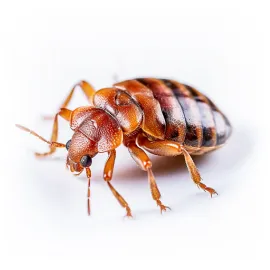
Drywood termites leave different evidence. They may produce tiny round holes and fine, powdery droppings that can fall in small piles. Because they can live in wood without needing soil contact, they may be found in roof areas, window frames, or furniture. Their signs can be mistaken for ordinary wood boring insects, so the insect or the droppings matter.
Where the signs usually appear
Carpenter ant activity often fits a moisture story. Kitchens, bathrooms, laundry rooms, bay windows, decks, and areas under leaks are common places to look. A nest may be in a wall void, a damp sill, a stump, or a shaded tree near the home. Indoor ants may be foragers passing through, so repeated sightings in the same area are more meaningful than one insect crossing a floor.
Termite signs often fit a contact story. Subterranean termites need moisture and a route between soil and wood. Cracks in concrete, gaps around pipes, wood touching soil, and voids behind walls can all provide travel routes. Mud tubes on a foundation are a stronger termite clue than a few winged insects seen near a light.
Both pests can show up around doors and windows, yet the reason differs. Carpenter ants may be drawn to a soft frame as nest material. Termites may be feeding within that frame or moving through a nearby gap. The surrounding moisture and the texture of the damage help separate those possibilities.
Sounds, wings, and seasonal confusion
A faint rustling inside a wall can sometimes be linked to a carpenter ant nest, especially if the sound is near damp wood. Termites may also make faint sounds when disturbed, but most homeowners notice visual signs first. Silence does not rule out either pest.
Winged insects cause a lot of confusion. Winged ants and winged termites may appear indoors after rain or during warm periods. A cluster near a window can be a short-lived event, yet it still deserves attention. The wings left behind can help: ant wings usually differ in length, while termite wings are more even. Body shape remains the clearer marker if one specimen can be examined calmly.
Swarmers are not the same as an established indoor nest. A few winged insects near lights may have flown in from outside. Many winged insects indoors, repeated over time, or paired with mud tubes or hollow wood, point to a more serious concern.
Comparing the evidence side by side
The table below keeps the contrast practical. It is meant to help a reader decide which explanation fits the signs, not to replace a proper inspection when damage is unclear.
- Insect shape: narrow waist and bent antennae suggest carpenter ants; broad body and straight antennae suggest termites.
- Wood debris: coarse, clean fragments suggest carpenter ant excavation; fine powder or soil-filled galleries suggest termites.
- Moisture link: softened, damp wood suits carpenter ant nesting; soil contact and mud tubes suit subterranean termites.
- Wings: uneven wing length leans toward ants; similar wing length leans toward termites.
- Action level: repeated indoor sightings or structural changes call for closer assessment, whichever pest seems likely.
When carpenter ants suit the evidence
Carpenter ants are the better fit when the visible insects have clear ant features, especially if they are seen at night or along a trail. Coarse fragments near a damp window sill, a hollow sounding beam at a leak site, or activity around a tree stump close to the house all support that possibility. The key issue is moisture. Fixing the water source matters because softened wood is more attractive for nesting.
That does not mean every carpenter ant sighting is a structural emergency. A single ant in a kitchen may simply be searching for food. Repeated sightings, sawdust-like material, or a hollow area in trim deserve more attention. If the nest is in a wall or hidden void, surface treatment alone may not resolve the underlying problem.
When termites suit the evidence
Termites are the stronger fit when pale workers are found in wood, when mud tubes are visible, or when galleries contain soil-like material. Damage that appears to follow hidden pathways through framing, rather than a single nest cavity, also raises concern. Termites can work quietly for a long time, so visible damage may be only part of the picture.
This is where a careful response matters. Disturbing suspect wood can break tubes and scatter evidence, making later inspection harder. It can also expose areas that were previously protected. If the signs point toward termites, the practical choice is to keep the area as undisturbed as possible and seek informed assessment.
In a larger pest resource, Pest Agent find pest control specialist can be a natural phrase for readers who need help interpreting signs that are not straightforward. The point is not to treat every insect as the same problem. Termites, carpenter ants, and other wood pests can require very different responses.
Where wasps fit into the wider pest picture
The wider topic of wasp control information usually centers on stinging insects, nests, and safety around flying pests. Carpenter ants and termites are not wasps, and their signs should not be folded into wasp advice. The overlap is practical rather than biological: homeowners often see an insect near a structure and need to know what kind of problem they are facing.
Wasps are typically noticed by visible nests, frequent flight, or defensive behaviour near a nesting site. Ants are often noticed by trails or wood fragments. Termites are often noticed by hidden damage, mud tubes, or winged insects indoors. Keeping those patterns separate reduces the chance of choosing the wrong response.
Pest Agent can fit into this context as a source of pest advice and product recommendations for household pest problems. That kind of general framing helps a reader move from observation to a sensible next step, whether the issue involves a wasp nest near a doorway or wood damage that might be linked to ants or termites.
What to record before deciding
Before removing debris or sealing a gap, it helps to note where the signs appeared and how long they have been present. Take notice of moisture sources, soil contact, and whether the insects appear during the day or at night. If a specimen can be collected safely, a clear photo from above and from the side may be more useful than a rushed identification.
Avoid breaking open large areas of wood just to confirm a suspicion. That can create unnecessary damage and may spread material from a suspect area. Simple visual checks, such as looking for tubes along a foundation or noticing fine debris beneath a sill, are enough for an initial comparison. Anything involving hidden structural damage is better handled by a qualified professional.

There is also a judgment call between monitoring and acting. One ant, one winged insect, or a small mark on wood may justify watching the area. A repeated pattern, damp damage, or visible tubes changes the balance. When the evidence points to termites, speed of assessment matters more than certainty at the kitchen table.
Choosing the response that fits
If the signs fit carpenter ants, attention often goes to moisture control, nest location, and the condition of affected wood. If the signs fit termites, the priority shifts to protecting structural wood and getting a proper assessment of the extent of activity. Treating the two as interchangeable can leave the real cause in place.
For readers comparing options, the cleanest rule is this: identify the insect where possible, read the wood damage carefully, and match the response to the pest. Pest Agent find pest control specialist may be relevant when the signs are mixed, the damage is hidden, or the difference between ants and termites is no longer clear from surface clues alone.
Carpenter ants or termites is not just a naming question. It changes what the signs mean and what kind of help suits the situation. A careful comparison at the start can prevent wasted effort and make later decisions more grounded in what is actually present.
 Facebook
 Instagram
 YouTube